What is biodiversity?
Biodiversity is everywhere. It is found in every flower, every animal and in every bacterium, no matter how tiny. Wherever there is life, there is biodiversity. Yet what many see as merely a cumbersome technical term is, in truth, the very foundation of all life on our planet. And this foundation is beginning to crumble.
It encompasses not only millions of different animal and plant species, but also microorganisms, genes and habitats, as well as the complex interactions that link these elements together. Biodiversity describes the incredible variety of life and the way in which all living things are interconnected. Without this diversity, the ecological balance would be disrupted, which would have dramatic consequences for us humans and our environment.
This network of diversity ensures that ecosystems remain stable, clean air and water are available, and fertile soils are created. It provides us with food and medicine and regulates our climate. Biodiversity is the web of life, and humanity is at its very centre.

Biodiversity today
The sixth mass extinction
According to current research, our planet has experienced at least five major mass extinctions throughout its history. These are events in which the vast majority of all species disappeared within relatively short periods of time. The best-known of these events is the extinction of the dinosaurs 66 million years ago, which was probably caused by an asteroid impact. This environmental catastrophe led to the extinction of 75% of all animal and plant species. It is difficult for us today to imagine the true scale of this event at the time. What many people are unaware of, however, is that the sixth major mass extinction is unfolding right before our eyes, every single day.
In May 2019, the Intergovernmental Science-Policy Platform on Biodiversity and Ecosystem Services (IPBES) published its global report on the state of biodiversity (IPBES, 2019). This indicates that up to one million animal and plant species could disappear in the coming decades. The current rate of extinction is already many times higher than the natural average over the last ten million years. A key difference from previous mass extinctions in Earth’s history is the cause. Whilst these were previously triggered by natural events, the current loss of species is largely attributable to human influences. The main causes include, above all, the destruction and fragmentation of habitats, for example through deforestation, land sealing or the conversion of ecosystems into agricultural land. Climate change and widespread environmental pollution from pesticides, nitrogen and plastic pollution also threaten numerous species directly or indirectly. The over-exploitation of natural resources, as well as the introduction of invasive species – that is, species that enter new regions and displace native species there – also pose a massive threat to ecosystems (IPCC, 2022). These developments affect not only the animal and plant world, but also have long-term consequences for humans.
Biodiversity in the future
The good news is: it’s not too late, and every step counts. Nature has an impressive capacity for regeneration, if we help it along. Science and practice clearly show that with knowledge, responsibility and commitment, we can work together to shape a future that is worth living in and rich in biodiversity. This doesn’t just require large-scale projects or institutions; it starts with us. Even small changes in our daily lives, on our balconies, in our back gardens or in our way of thinking can make a noticeable difference. Everyone can get involved, and that is precisely where our strength lies.
Those who start today will help shape a world tomorrow where diversity has a place once more. Here are a few examples of how biodiversity can be actively promoted.
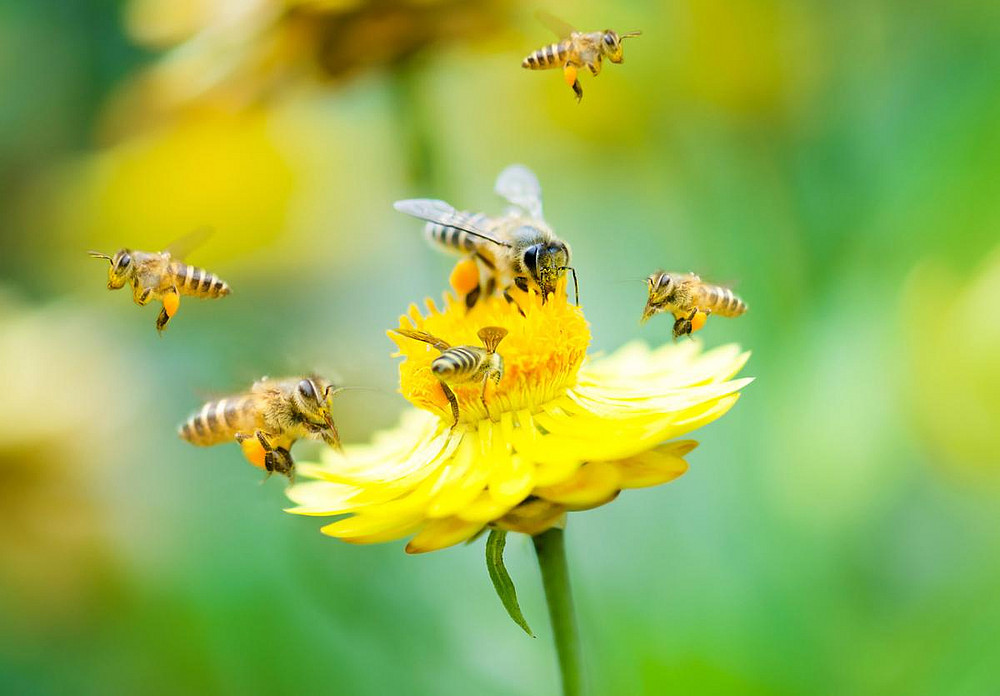
When mowing the garden, leave a few square metres of lawn unmowed. This allows wildflowers to bloom and provides valuable food for bees, butterflies and other pollinators.
Leave dead wood where possible. A pile of old branches or a dead tree trunk can provide valuable habitat for insects, fungi and small mammals.
Mini insect hotels can be made yourself from simple materials such as bamboo tubes, clay and untreated wood. They fit on any balcony and in any garden.
Watering points for insects and birds: A shallow dish filled with water and stones provides bees, butterflies and birds with a much-needed source of water on hot days.
Native wildflowers or herbs such as thyme, sage or wild carrot attract pollinators, even when grown in pots or window boxes.
Avoid chemical pesticides and opt for natural alternatives instead.
Collect seeds from native wild plants, grow young plants and share them with neighbours. This creates a network of species-rich areas.
Inform, inspire, have your say: learning about biodiversity is an effective first step. Because once you understand just how fascinating and worthy of protection our natural diversity is, you can share this knowledge with others, encourage a change in mindset and achieve great things through small actions. Every contribution counts and gives us the courage to make a difference together.
Through its current projects, the University of Graz demonstrates how concrete measures can be implemented in urban areas. Whether it’s wildflower meadows, deadwood structures, nesting boxes or sandariums: these initiatives can serve as inspiration for your own steps, on both a small and large scale.
For this is about far more than the survival of individual species. It is about preserving the foundations of our existence.
Those who protect biodiversity protect life. Our life.