Old deadwood structures and beetle colonies
Dead wood, living diversity
A dead tree, a pile of old branches or a fallen trunk: at first glance, they appear lifeless. Yet it is precisely there that life begins. Deadwood structures are among the most species-rich habitats we can create. Particularly in urban green spaces such as the University of Graz campus, they make a valuable contribution to the preservation of biodiversity.
In nature, deadwood rots slowly, is broken down by fungi, bored into by insects, and worked on by birds, providing a habitat for a wide variety of species over many years. This gives rise to complex food chains and ecological processes that we humans would overlook without realising it. In cities, however, such wood is often removed. Yet with the deadwood, an entire microcosm is lost.
Beetle castles and old deadwood structures bring this microcosm back. They are artificially created deadwood areas designed to specifically attract different species. They usually consist of standing or fallen tree trunks and deadwood of varying thickness, and are positioned in sunny, sheltered spots.
On the green spaces of the University of Graz, dead trunks are deliberately left in place. Even trees that have already died and pose no danger are deliberately not felled. Over time, they transform into valuable stepping-stone habitats and form part of the City of Graz’s Green Network.
In addition to their ecological function, beetle castles and deadwood areas are also exciting places of learning. They make biodiversity visible and demonstrate that nature conservation does not always have to be costly. An old tree trunk can make a bigger difference than many people realise and opens our eyes to the often-overlooked world right beneath our feet.
Living deadwood
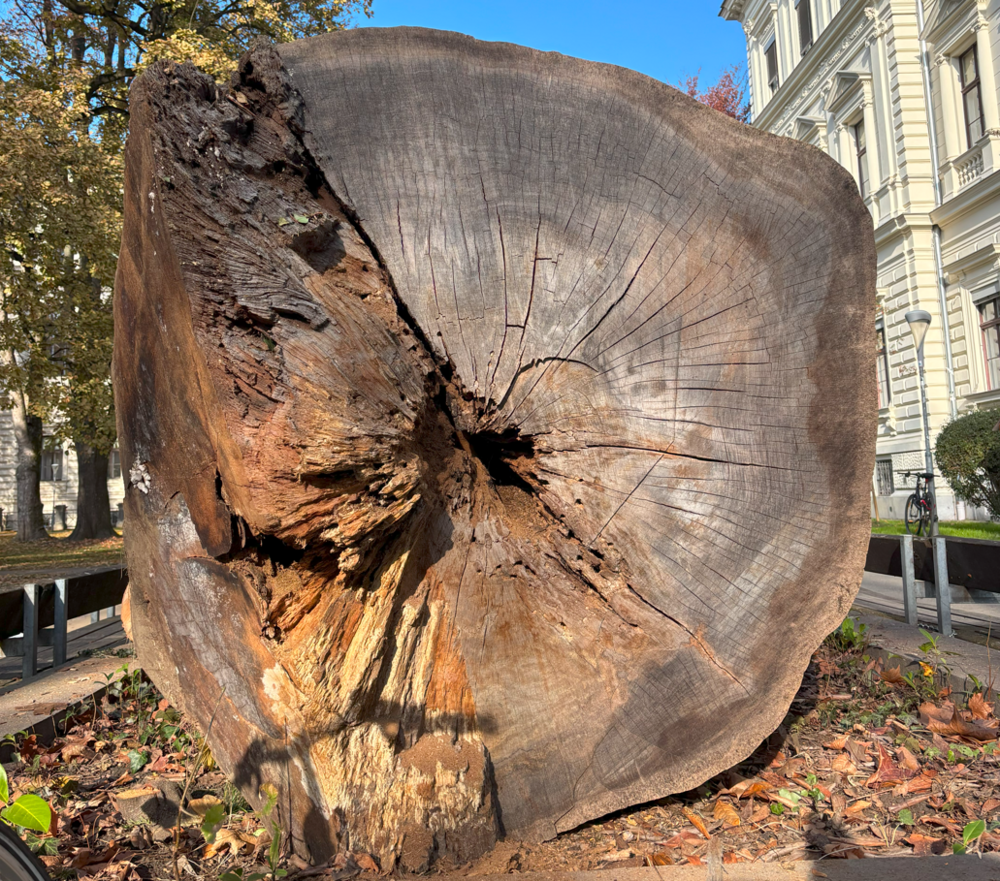
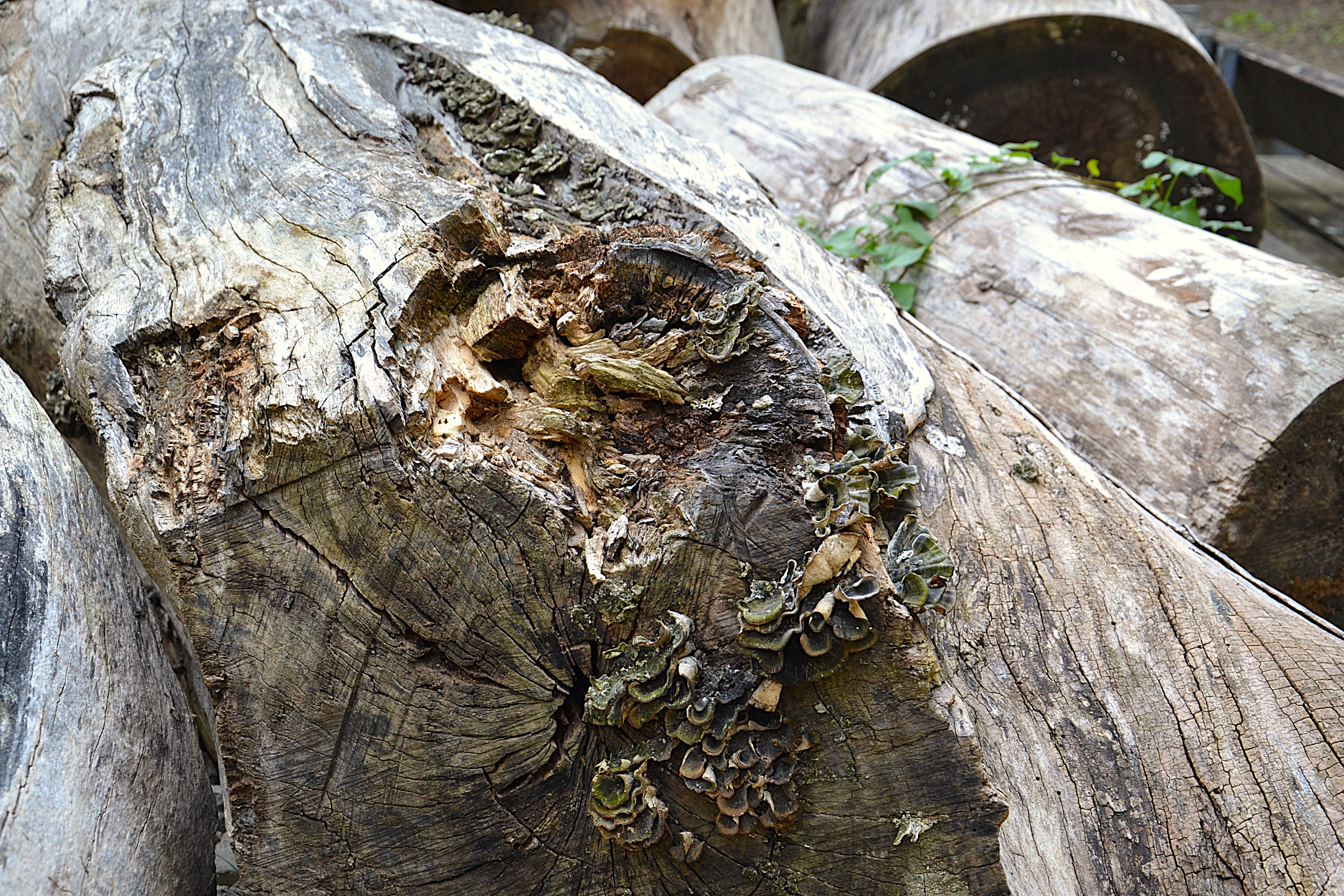
This trunk of a plane tree, which stood next to the former "Vorklinik" in Harrachgasse until August 2023, continues to provide a valuable habitat for a species-rich community. Fungi, insects, woodlice and other organisms use the tree and slowly break it down in the process. In forests, deadwood is also an important water reservoir and increases their resilience to climate change.
Two large plane trees had to be felled as part of the site clearance for the construction of the Graz Center of Physics building, which is expected to be completed in 2030. Due to their considerable trunk diameters, they can provide food as well as breeding and resting places for many species for many years as standing deadwood. For this reason, they will now be placed in the area of the campus in such a way that they can function as lying dead trees (in compliance with all necessary safety requirements) and can be colonised by woodpeckers, bats, xylobiont beetles, wild bees, solitary hymenoptera, etc.
Target species
Dead wood is more than just a refuge for many animals and fungi. It serves as a home, a nursery, a larder and a winter shelter all in one. On the University of Graz campus and in the surrounding area, this can help support numerous species:
- Beetles such as the rose chafer, longhorn beetles and jewel beetles lay their eggs in rotten wood, where their larvae grow up in safety.
- Wild bees, including rare species, use burrows and cracks in the wood as nesting sites.
- Bats and birds such as woodpeckers find shelter and nesting sites in standing deadwood trees.
- Small mammals, squirrels and many other small animals use such structures as hiding places and for foraging.
- Fungi, mosses, woodlice, springtails, centipedes and millipedes contribute to decomposition and turn deadwood into a dynamic habitat.